Mastering weight distribution, advanced footwork and proprioceptive awareness for superior jump rope form.
Mastering the art of skipping requires a fundamental understanding of proper body mechanics and one of the most critical elements is learning how to distribute your weight effectively throughout each bounce. When you first step onto the mat or hop into your garage gym, you might find yourself instinctively placing your entire foot flat against the ground with each rotation of the rope. This common mistake not only dulls the rhythm of your workout but also sends unnecessary shockwaves up through your joints, potentially leading to discomfort in your knees, hips and lower back over time. The secret lies in adopting a light, agile stance where your weight rests primarily on the balls of your feet, allowing your ankles to function as natural shock absorbers while keeping your movement fluid and efficient, which is the foundation of durable fitness.
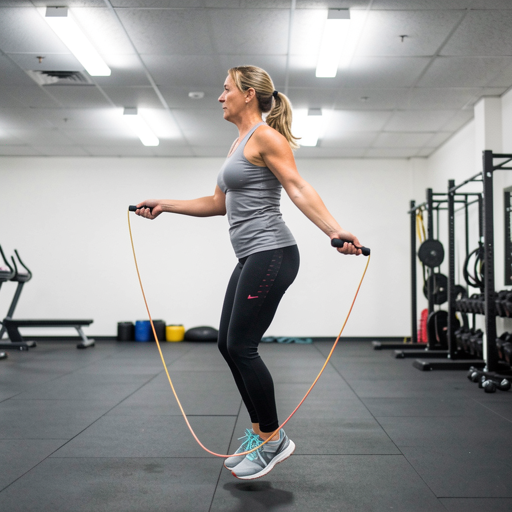
Understanding weight distribution becomes even more nuanced when you explore advanced skipping techniques that challenge your balance and coordination. Many beginners mistakenly believe that keeping their weight evenly distributed across both feet at all times will provide stability, but this approach actually works against the dynamic nature of the exercise. When you practice double unders or complex footwork patterns like the criss-cross with a training jump rope, your weight must shift subtly from one side to the other while you mimic the natural cadence of a light jog and keep enough contact with the ground to preserve control.
🛒
This nuanced weight distribution allows you to stay springy and responsive, enabling faster rope speeds and smoother transitions between tricks. The position of your weight relative to your feet also dramatically influences your jumping efficiency and endurance levels throughout a session. If you allow your weight to fall back onto your heels, you will find that each bounce requires significantly more effort and energy, quickly turning what should be a lively cardio workout into a grueling struggle.
🚀
Conversely, leaning too far forward onto your toes can destabilize your balance and make it nearly impossible to maintain the consistent rhythm that keeps the rope rotating smoothly beneath your feet. The ideal position sits somewhere in between, with your weight centered over the arches of your feet and your knees maintaining a soft, flexible bend that absorbs impact while propelling you upward with minimal exertion. Developing proper weight distribution through jump rope practice does not happen overnight, but with dedicated practice and mindful attention to your body positioning, the improvements will become increasingly apparent.
🦎
Start your sessions with simple two-foot hops, focusing entirely on landing softly on the balls of your feet while keeping your ankles loose and responsive to each impact. Gradually introduce side swings and single-foot alternations as your confidence grows, always monitoring whether your weight remains properly positioned throughout each movement pattern. Over time, your muscles will develop the proprioceptive awareness needed to maintain optimal weight distribution automatically, freeing your mind to concentrate on rhythm, speed and the myriad of advanced techniques that make this incredible exercise so rewarding and effective.